How to Get Your CPG Product Into Whole Foods (and Stay There)
Getting into Whole Foods is one of the most common goals for emerging CPG brands. Here's what buyers actually look for, how to prepare your pitch, and how to keep your placement once you have it.
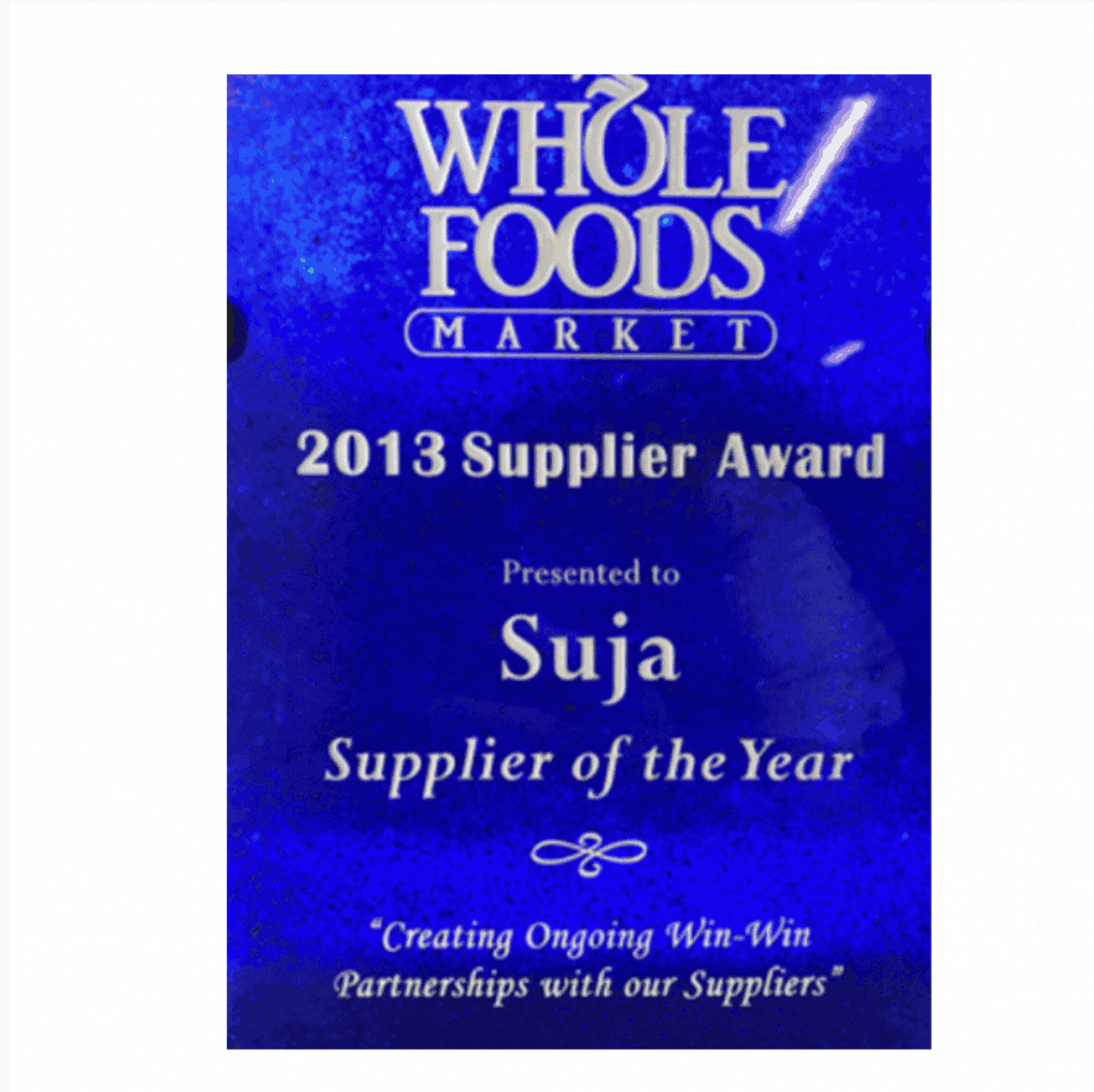
Getting into Whole Foods is one of the most common goals for emerging CPG brands. It's a stamp of credibility, a signal to investors, and access to a consumer base that actively seeks out innovative, better-for-you products.
But getting in is only half the battle. Staying in is where most brands fail. Here's what you need to know about both.
What Whole Foods Buyers Actually Look For
Whole Foods buyers evaluate products differently than conventional grocery buyers. They're looking for brands that align with their quality standards and that will perform in their specific consumer environment. Here's what matters most:
Clean ingredients and transparency. This is table stakes. Whole Foods has strict quality standards - no artificial preservatives, colors, flavors, or sweeteners. If your product doesn't meet their quality standards, the conversation ends before it starts.
A compelling brand story. Whole Foods customers care about the "why" behind a brand. Your origin story, your mission, your sourcing practices - these matter. Buyers know their customers respond to authenticity.
Proof of demand. Buyers want to see evidence that consumers will buy your product. This can come from strong DTC sales, performance at farmers markets, success in smaller regional retailers, or social media engagement that demonstrates real consumer interest.
Realistic pricing. Your retail price needs to work within the category. Too high and consumers won't trial. Too low and you're leaving margin on the table and signaling that your product isn't premium.
How to Prepare Your Retail Pitch
Before you reach out to a Whole Foods buyer, make sure you have these ready:
A one-page sell sheet. Not your investor deck. A clean, visual one-pager that shows your product, key differentiators, pricing, and any traction data.
Your velocity data (if you have it). If you're already in other retailers, bring your units-per-store-per-week numbers. If you're above category average, lead with it.
Your trade spend plan. Whole Foods will want to know what promotional support you're offering. Have a plan for introductory pricing, demos, and ongoing promotional cadence.
Samples. Obvious, but important. Make sure your samples represent your product at its best.
Your margin math. Know your landed cost, your suggested retail price, your gross margin, and your trade spend budget. Buyers respect founders who know their numbers.
Getting the Meeting
Whole Foods has both global and regional buying teams. For most emerging brands, the path in starts at the regional level.
Start local. Identify the Whole Foods region where you have the strongest consumer base or the best logistics story. Build density in one region before trying to go national.
Attend trade shows. Expo West, Fancy Food Show, and regional trade shows are where buyers go to discover new brands. A strong booth presence and sampling strategy can get you on a buyer's radar.
Leverage your network. Brokers, distributors, and other founders in the Whole Foods ecosystem can make introductions. A warm intro from a trusted source carries significantly more weight than a cold email.
How to Stay on the Shelf
This is where most brands fail. You get the placement, celebrate, and then watch your velocity decline because you didn't invest in the post-launch work.
Demo aggressively in the first 90 days. In-store demos drive trial, and trial drives repeat purchase. Budget for demos at every store in your first 90 days.
Monitor your velocity weekly. Don't wait for a quarterly review to find out you're underperforming. Track your units per store per week and react quickly if numbers are trending down.
Build a local marketing plan. Drive consumers to the stores where you're placed. Social media geo-targeting, local influencer partnerships, and community events all help.
Don't over-distribute. It's better to be in 20 stores with strong velocity than 50 stores with weak velocity. Whole Foods buyers will expand your distribution when the numbers justify it.
The Bottom Line
Whole Foods can be a transformative retail partner for an emerging CPG brand - but only if you approach it with the right preparation, realistic expectations, and a plan to support your placement after you get it. The brands that succeed at Whole Foods are the ones that treat the placement as the beginning of the work, not the end.
For retail pitch templates, trade spend calculators, and the full retail strategy playbook, check out the MBA for CPG. For direct coaching from Jeff on your retail strategy, explore the 90-Day Breakthrough.
Want more insights like this?
Get Jeff’s take on what’s actually working in CPG. Direct to your inbox.
Subscribe to the newsletter